
One of the keys to clearing many of my Hashimoto’s and thyroid symptoms was realizing that I had numerous food sensitivities, especially to gluten and dairy. Within three days of cutting them out, symptoms I’d lived with for years started to disappear: reflux, bloating, IBS, and chronic pain all started to calm down.
Unfortunately, after a few months, I hit a plateau in my healing, and some of my symptoms started creeping back. So I eliminated more foods. At first, I labeled foods as either “good” or “bad” in my head – but after some time, I realized that many of my food reactions were actually a “symptom” of my condition, rather than the cause.
In the last decade, I’ve seen people go on long-term elimination diets with the hope that their autoimmune condition will improve. While they might feel better at first, sadly, they may become nutritionally depleted and sicker, losing tolerance of more and more foods. This is because they are not getting to the root causes of why the food sensitivities developed in the first place.
In this article, I dig into the connection between food sensitivities, intestinal permeability, Hashimoto’s, and IBS, with an updated understanding of how food sensitivities develop, and how to address their root causes (often improving other conditions in the process).
The impact of food sensitivities extends beyond autoimmunity. They’ve also been linked to a wide range of symptoms like bloating, brain fog, joint pain, fatigue, skin issues, and mood changes, and are increasingly implicated in digestive conditions like irritable bowel syndrome (IBS). [1] In fact, studies suggest that 50 to 80 percent of people with IBS can trace their symptoms to specific food triggers. [2] Up to 25 percent of people with an IBS diagnosis may actually have celiac disease. [3]
Unfortunately, conventional medicine often overlooks these types of food reactions. While food allergies are well-known due to their potentially life-threatening nature, sensitivities and intolerances often go undiagnosed. Yet these reactions can cause the very same symptoms associated with IBS, such as diarrhea, constipation, bloating, cramping, reflux, nausea, and even anxiety.
In this article, you will discover:
- The connection between food sensitivities and intestinal permeability, and how that can contribute to conditions like Hashimoto’s and IBS
- The most common food sensitivities
- How food sensitivities develop
- My own experience with food sensitivities, and how I was able to overcome many of them
Food Sensitivities vs. Food Allergies
Before we dive into the article, I briefly want to clarify some crucial differences between food allergies and food sensitivities.
Unlike food allergies, which trigger immediate, often dangerous immune reactions, food sensitivities can be delayed and subtle. Allergies are the ones that most people think of when first learning about whether foods could trigger symptoms.
Food allergies are generated by the IgE branch of the immune system, and reactions will usually show up within minutes of ingesting the reactive food. Reactions can include an itchy rash, throat or tongue swelling, shortness of breath, vomiting, lightheadedness, and low blood pressure, and can often be life-threatening. Peanuts and shellfish that cause people to stop breathing within minutes of ingestion are the most common and life-threatening examples.
Food sensitivities, on the other hand, are governed by different branches of the immune system: the IgA, IgM, and IgG branches. Interestingly, the IgG branch is also thought to be responsible for creating thyroid antibodies in many cases of Hashimoto’s.
Food sensitivity reactions may take a few hours or even a few days to manifest. You might eat a reactive food at lunch and not feel symptoms until later that evening, or even the next day. This delayed response makes it difficult to connect the dots between what you eat and how you feel.
Symptoms of food sensitivities can range widely, from digestive issues like bloating, gas, acid reflux, constipation, diarrhea, and cramping, to systemic symptoms like joint pain, fatigue, anxiety, brain fog, skin rashes, and mood swings. Over time, these reactions can contribute to chronic inflammation and damage the gut lining.
The Food Sensitivity, Intestinal Permeability, Autoimmune, and IBS Connection
Food sensitivities generally occur when we eat the same foods over and over, in the presence of intestinal permeability (leaky gut). Leaky gut can be ongoing or acute, and can be caused by stress, toxins, triggering foods, and infections.
Food sensitivities and leaky gut often exist in a vicious cycle, with each one worsening the other. When the gut lining becomes compromised, it allows partially digested food particles and other substances to go from the gut into the bloodstream. The immune system views these particles as foreign invaders and launches a response, leading to the development of food sensitivities.
Over time, repeated exposure to these reactive foods keeps the immune system activated and contributes to chronic inflammation, which can further damage the gut lining. This ongoing immune activation can result in someone becoming sensitive to more and more foods, as the body becomes more reactive.
Intestinal permeability is one of the three factors that must be present in order for autoimmune disease to develop, in addition to a genetic predisposition and an environmental trigger such as trauma, stress, toxins, the use of certain medications, and/or exposure to an antigen (any substance that induces the immune system to produce antibodies against it). [4]
You may be starting to see the connection here – because food sensitivities are associated with intestinal permeability, and intestinal permeability is so often present in people with autoimmune disease, those same people nearly always have food sensitivities. Many of them find healing once they identify and remove their personal trigger foods.
One tricky thing about food sensitivities is that they can be slightly different for everyone. While I’ve found that the most common food sensitivities in those with Hashimoto’s are gluten, dairy, and soy, there are other foods that someone can be sensitive to as well, like grains, eggs, and nuts.
Some people may find they react to seemingly all foods, and in these cases, it may not be one particular food that’s causing the issue, but rather that there is a severely compromised intestinal barrier and an overactive immune system.
Food sensitivities are increasingly linked not only to autoimmune diseases, but also to gut conditions like IBS. Studies have found that people with IBS are likely to have increased intestinal permeability, though not everyone with IBS will have it. [5]
Certain types of IBS are more prone to it, with one study finding that barrier function was most likely to be compromised in people with IBS-D (37 to 62 percent), followed by post-infectious IBS (17 to 50 percent), and IBS-C (4 to 25 percent). [6] It’s also a common feature in children with functional gastrointestinal disorders and food allergies. [7]
While intestinal permeability is a crucial factor in the development of food sensitivities, my understanding of food sensitivities has evolved over the last decade. Intestinal permeability plays a large and important role, but there may also be other factors at play, such as deficiencies in digestive enzymes, gut infections, or gut dysbiosis. Some people may have more than one cause, and oftentimes, the underlying cause may lead to issues with specific foods.
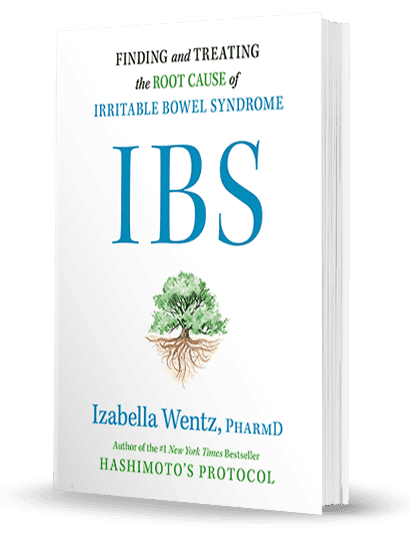
I go in-depth on how to identify and solve these issues in my new book, IBS: Finding and Treating the Root Cause of Irritable Bowel Syndrome. This book is a groundbreaking guide that helps readers uncover the underlying causes of their IBS, so they can move beyond symptom management and start addressing the problem at its source.
Whether you’ve been struggling with Hashimoto’s for many years, were just diagnosed, or feel like your list of reactive foods is getting longer, I hope my comprehensive guide to figuring out the root causes of gut issues will help you heal! This book has been decades in the making, and I’m so excited to share with you all I’ve learned. The book is available for order now, and was released in March 2026!
The Most Common Food Sensitivities
Here is a brief overview of some of the most common food sensitivities I see for those with Hashimoto’s and IBS.
Gluten
Gluten is a protein found in barley, rye, and wheat. It’s a staple in the Western diet that’s found in most breads, cereals, and pastas, but can also be hidden in many other food products.
There are three different reactions a person could have to gluten-based foods:
- The celiac reaction is the most severe form of gluten response. If those with celiac disease do not stay on a strict gluten-free diet, they face significant, life-affecting symptoms, including serious intestinal damage.
- The allergic reaction is governed by the IgE branch of the immune system and results in immediate reactions like anaphylaxis, difficulty breathing, rashes, and hives.
- The Type IV delayed hypersensitivity reaction is governed by the IgG branch of the immune system. Interestingly, Hashimoto’s can involve a Type IV delayed hypersensitivity reaction. [8]
Reactions to gluten, many of which are also considered typical hypothyroid symptoms, include bloating, irritable bowel syndrome, acid reflux, stomach pains, brain fog, fatigue, hair loss, weight gain, cold intolerance, anxiety, palpitations, joint pain, carpal tunnel, allergies, and panic attacks.
Some research suggests that celiac disease is common in those with Hashimoto’s; however, so are sensitivities to whey/casein, and you may have similar symptoms but get a negative test. [9] If you have been tested for celiac disease and the test came out negative, please note that you could still have additional reactions to gluten (including IgG reactions).
Not long after being diagnosed with Hashimoto’s, I tested for celiac disease as well as IgE food reactions, but both of those tests were negative. I decided to try IgG food sensitivity testing, and the tests revealed that I had IgG reactions to gluten, as well as to dairy proteins.
Soon after learning of my gluten and dairy sensitivities, I came across a condition known as non-celiac gluten sensitivity (NCGS). People with NCGS have celiac-like reactions to gluten, yet they don’t test positive for the typical IgA celiac antibodies – nor do they experience the characteristic damage to intestinal cells that is seen in celiac disease.
While there is some research supporting that NCGS does exist, some conventional doctors and even the media may still view it as controversial. The challenge, in my opinion, is that there is no single diagnostic test for, or singular cause of, non-celiac gluten sensitivity; it is very likely that a number of factors can contribute to NCGS.
Another thing to note about NCGS is that wheat-based foods contain FODMAPs (fermentable oligosaccharides, disaccharides, monosaccharides, and polyols), a collection of short-chain carbohydrates that aren’t absorbed properly in the intestines of those with IBS and certain intestinal disorders like small intestinal bacterial overgrowth (SIBO). (FODMAPs are often problematic for those with IBS – more on them later in this article.)
In a 2017 study, researchers concluded that fructan, a type of oligosaccharide that is found in wheat, is to blame for NCGS symptoms, and not gluten. [10] (I personally believe this could be the case for some, but not all people with NCGS.)
Histamine intolerance (which many people with Hashimoto’s and IBS can also have) has also been tied to NCGS, as have other reactions to other substances such as nickel. [11]
I personally believe that NCGS is still an emerging concept that should be considered an umbrella term for the various reasons why a person may react to gluten-containing foods. I also always encourage you to listen to your own body (and not necessarily conventional media headlines) if you believe you have a sensitivity to certain foods.
My personal and clinical experience has shown that gluten sensitivity is one of the most significant triggers in Hashimoto’s, and most people experience significant health improvements when they remove gluten from their diets.
One controlled trial of people with diarrhea-predominant IBS who did not have celiac disease found that exposure to gluten increased bowel movement frequency and small bowel permeability. [12] Another study of the impact of a gluten-free diet on people with IBS-D without celiac disease found that 71 percent of participants experienced improved symptoms. [13]
Research does suggest that NCGS is tied to intestinal permeability, and removing gluten can help reverse intestinal permeability (which is always a precursor to autoimmune disease), as well as reduce one’s thyroid antibody levels! [14]
You can read more about the benefits of a gluten-free diet for Hashimoto’s here.
Dairy
People with Hashimoto’s are more likely than others to have sensitivities to the proteins found in dairy: casein and whey.
Although lactose intolerance and dairy protein sensitivity can cause similar symptoms (like bloating and diarrhea), they are not the same thing. Lactose intolerance involves a lack of enzymes that prevents the proper breakdown of the milk sugar lactose, and may be managed via enzyme-containing pills like Lactaid. Additionally, lactose intolerance will not cause intestinal tissue inflammation or damage.
Interestingly, recent research on lactose and IBS concluded that most patients with the initial diagnosis of IBS were actually lactose intolerant. [15]
Dairy sensitivity is like gluten sensitivity – both are mediated by the IgG branch of the immune system, and are considered type IV delayed hypersensitivity reactions. Hashimoto’s is also considered a Type IV delayed hypersensitivity, and my experience has taught me that eating foods that stimulate the release of IgG antibodies and promote a Type IV delayed hypersensitivity response, will also result in an increase in thyroid antibodies.
The most common ways people react to dairy include gut reactions (bloating, diarrhea, and acid reflux), lung reactions (coughing, asthma, sinusitis, postnasal drip, and mucus), and skin reactions (eczema, rashes, or acne).
So why is dairy a common food sensitivity? Cow’s milk contains proteins that are different from the proteins found in human milk. With intestinal permeability, the body is likely to recognize these proteins as foreign invaders and make antibodies to the proteins.
Many people believe that non-cow milk options may be safer. However, goat’s milk and sheep’s milk proteins are very similar to cow’s milk proteins and have about a 60 to 75 percent cross-reactivity rate, meaning that 60 to 75 percent of people who are sensitive to cow’s milk casein will also react to goat and sheep’s milk casein.
Once a person becomes sensitized to the casein protein, they will react to all forms of dairy, with the possible exception of, oddly enough, camel milk. (You can go down the rabbit hole of camel milk in a previous article I wrote, if you are interested!) [16]
For me, dairy was a greater reactive food than gluten. Eating even tiny amounts of dairy resulted in coughing, bloating, acid reflux, joint pain, and diarrhea.
If you think dairy may be a problem for you, I recommend removing it from your diet for at least two to three weeks, and noting which symptoms are relieved for you.
I encourage you to check out my article on going dairy-free to reverse Hashimoto’s to learn more about living dairy-free.
Soy
The third most common food that those with Hashimoto’s may be sensitive to is soy, in my experience. Please note that many gluten-free processed products may contain soy, which can be one reason why people who go “gluten-free” to help Hashimoto’s don’t always feel better. I’ve found it to be a common trigger in IBS as well.
Soy can block the activity of the TPO enzyme and worsen the autoimmune attack on the thyroid. It may also impair the absorption of thyroid hormone medication and have goitrogenic activity. [17] Soy may also interfere with hormonal cycles (as a phytoestrogen, it may be an endocrine disruptor and contribute to estrogen dominance – research on this remains controversial), and contribute to other conditions such as asthma. [18]
Data suggests that the phytoestrogens from soy-based infant formulas may inhibit thyroid peroxidase (TPO) and therefore may lower the concentration of free thyroxine in the body. This study also did a comparison regarding asthma in adult women who had been fed a soy-based formula diet as infants. The group that was fed soy-based formula showed a slightly higher incidence of asthma and allergy medication use, as well as menstrual cycles that were longer and more painful. [19]
My thyroid antibodies increased after eating soy-containing gluten-free products. After only one month of giving up all soy, however, my thyroid antibodies dropped from 800 IU/mL to 380 IU/mL!
A soy sensitivity will often present as gut symptoms such as abdominal pain, loose stools, nausea, or vomiting, while a significant number of people will also experience mental symptoms such as headaches, dizziness, brain fog, anxiety, depression, fatigue, and insomnia.
Soy can be hard to avoid, as it’s not only found in foods such as edamame beans, soy milk, tofu, tempeh, miso, and soy sauce, but also in many processed foods and even supplements. Many processed gluten-free products contain soy, as do dairy-free processed foods and vegan foods. Ingredients to look out for include soy lecithin, bean curd, hydrolyzed soy protein, soybeans, edamame, natto, okara, yuba, tamari, olestra (Olean), gum arabic, carob, and hydrolyzed vegetable protein.
If you are curious about the possible effects of soy and want more details, please read my article on soy and Hashimoto’s.
Eggs/Sulfur
I’ve found that eggs are another food a remarkable number of people are sensitive to. In my survey of over 2,230 people with Hashimoto’s, about 48 percent of people reported a sensitivity to eggs.
In people with IBS, they are one of the top three common triggers for symptoms, in addition to dairy and wheat. In addition to IgG reactions to eggs, I believe that another potential reason for this is that egg whites are considered histamine liberators, and this may trigger symptoms in some. [20] Sulfur intolerance is another mechanism that may explain why some people react poorly to eggs. Eggs are high in sulfur, and if someone has a sensitivity to it, they may experience excess gas and bloating. [21]
Some people with Hashimoto’s may also be reactive to sulfurs, which are naturally found in high amounts in eggs, cruciferous vegetables, and garlic.
I have found that individuals with CBS gene mutations are more likely to have sulfur sensitivity. In some cases, sulfur toxicity or sensitivity may also be present in people with mercury toxicity, and some of my clients have reported this reaction after treatment with DMSA or high doses of N-Acetyl Cysteine. Symptoms of sulfur toxicity include reactions like skin rashes, breakouts, and skin dryness after eating sulfur-rich foods.
Sulfur requires specific protocols to encourage elimination. I give a very brief overview of a protocol in this article, and I cover sulfur intolerance and protocols in-depth in my book IBS: Finding and Treating the Root Cause of Irritable Bowel Syndrome.
Histamine
Another intolerance that has become more popular as a potential driver of IBS symptoms in recent years is histamine intolerance. [22] Some professionals recommend limiting them indefinitely, but in my clinical experience, I find there is usually a root cause to why someone isn’t tolerating histamines. Resolving the imbalances has helped me resolve these food reactions for many of my clients.
Those with thyroid imbalances, including Hashimoto’s, may be more susceptible to histamine intolerance. This may be because histamine intolerance and Hashimoto’s thyroiditis can share the same root causes, such as gut infections and imbalances.
Histamine can either be high in foods themselves, or sometimes certain foods can cause mast cells in the body to release more histamine. Fermented foods and drinks, alcohol, chocolate, dairy, wheat, cured meats, soured foods, most cheeses, seafood (canned or smoked), bone broth with collagen, honey, nuts, pork, some fruits (e.g. bananas, papayas, strawberries), and some fresh vegetables (e.g. tomatoes, spinach, nightshades, fava beans, mushrooms), may all be problematic.
Associated symptoms include asthma, eczema, flushing, hives, heart arrhythmia, stomach pain, cramping, nausea, vomiting, headaches and migraines, low blood pressure, runny, stuffy nose, swelling in the face, mouth, or throat, fatigue, heavy menstrual cramping, constipation, and itchiness.
I have found that certain gut infections, such as H. pylori, Candida, Blasto, Dientamoeba fragilis, and mold colonization, can lead to issues with histamine. [23]
You can read more about histamine in this article.
Oxalates
Oxalic acid is a plant-derived compound found in foods like leafy greens, vegetables, legumes, fruits, nuts, and seeds. When oxalic acid is bound to minerals in a plant, it forms molecules called oxalates.
Oxalates are not just obtained through certain foods in our diet, they are also a waste product created by our bodies and excreted through our kidneys. In our body, oxalates can form salts by binding to minerals like calcium. Normally, in people who don’t have any particular issues, these salts are eliminated in the urine or with bowel movements. However, some people’s bodies can’t process the calcium-oxalate compounds, which can lead to several problems, including kidney stones, joint pain, and even inflammation of the thyroid gland.
Oxalate sensitivity occurs when the body cannot process oxalate salts properly and efficiently.
The most common symptoms of oxalate sensitivity include joint pain, burning with urination (interstitial cystitis) and/or bowel movement, leaky gut, depression, and kidney stones.
Potential root causes of oxalate sensitivity are due to the improper breakdown of oxalates in the body, which can be caused by various factors, such as genetics, nutrient deficiencies, SIBO, Candida, mold, or gut dysbiosis.
People with a low intake of calcium (such as those following a dairy-free diet, which is otherwise beneficial in Hashimoto’s) may also have exacerbated oxalate issues. This is because calcium in our foods can reduce our absorption of oxalates.
Oxalates are another compound that has gained more attention recently for their potential as a driver of IBS symptoms. [24] The root causes of oxalate sensitivity are often root causes of Hashimoto’s as well.
See my article on oxalates and thyroid health for more information.
FODMAPs
Small intestinal bacterial overgrowth (SIBO) is a possible root cause of Hashimoto’s, and may also be a driver of IBS.
Our small intestine is meant to be relatively clear of bacteria, while the large intestine houses most of our bacterial friends and foes. In some cases, bacteria from the large intestine may make their way up and overgrow into the small intestine. Too much of any bacteria, good or bad, can lead to SIBO.
Once you have SIBO, it can lead to intestinal permeability and contribute to a long list of digestive symptoms, including acid reflux, belching, bloating, and IBS. [25] SIBO often presents with bloating after eating, and is associated with the annoying “I woke up with a flat stomach and now I look pregnant syndrome.” (This is caused by bacteria in the small intestine creating too much gas.)
Many people with SIBO find themselves sensitive to certain kinds of short-chain carbohydrates known as FODMAPs (fermentable oligosaccharides, disaccharides, monosaccharides, and polyols). The low FODMAP diet is considered an effective nutritional therapy for certain digestive disorders, including SIBO. [26] This diet essentially cuts off the food supply to the bacteria that may be running amok in your intestines.
A low FODMAP diet is widely recommended for IBS. This is because research has found it to be effective in IBS symptom improvement in 50 to 80 percent of patients, with a significant improvement in the severity of abdominal pain, bloating, and flatulence. [27]
In my survey of 2232 people with Hashimoto’s, I found that 30 percent of them felt better on a low FODMAP diet. I believe that this benefit may be seen because a large number of people with Hashimoto’s have SIBO.
A low FODMAP diet is quite restrictive and is only meant to be used in the short term for symptom management. When dealing with SIBO, it’s important to fully and completely address the overgrowth, as it can be persistent.
Please see my article on the low FODMAP diet for SIBO, Hashimoto’s, and IBS for more information.
Identifying Food Sensitivities
How do you know which foods you’re sensitive to? Many of you probably have an idea, but when you need more clarity, or perhaps don’t know where to start, there are two great options for helping you identify your personal food sensitivities.
Elimination Diet
A three-week elimination diet is the gold standard for determining if you have an IgG food sensitivity, and can be so helpful for understanding what is triggering your symptoms, and allowing your body to heal.
You can start by removing gluten, dairy, soy, and other foods that you suspect you may be reactive to. These may include fruits and vegetables you’ve been eating all the time. Avoid these foods completely for at least two weeks. During this time, track which of your symptoms have improved versus which still remain.
After you have spent a period of three weeks without the suspected food irritants, try slowly adding them back in one at a time, waiting several days between each food to notice if any of your symptoms return. Many people will notice an immediate reaction when they reintroduce a food they are sensitive to. If you experience this, take this as a very strong clue that you should avoid that food!
If, after removing gluten, dairy, soy, and other foods you suspected were problematic, you are still experiencing symptoms of food reactivity, it might be time to dig a little deeper.
Test Kits
Some food sensitivities can be harder than others to pinpoint, and some people may need to see the numbers on paper before they are able to accept that they will need to give up a food they love in order to feel better. In those cases, I recommend food sensitivity testing through a lab. While most conventional medical professionals and insurance companies consider food sensitivity tests to be “experimental,” I can testify that as I “experimented” with removing the foods the tests found to be reactive for me, I felt dramatically better!
The test that I found to be highly accurate for myself and my clients is the Alletess Lab food sensitivity test. If a certain type of food comes up positive on that test, you’ll know that you are sensitive to it and need to eliminate it from your diet in order to feel better.
Alletess Lab works primarily through integrative and functional medicine physicians, so if you have one, you can speak to them about ordering the test for you.
Alletess food sensitivity testing is available for self-order without a doctor’s prescription. The test kit comes with a blood spot collection paper, and can be mailed to just about anywhere in the world.
There are two options to test for the most commonly eaten foods:
- The 96 Food Panel test checks for IgG (a branch of the immune system that mediates food sensitivities as well as Hashimoto’s) reactions to 96 common foods. You can order this test through my Rupa Health or MyMedLab.
- The 184 Food Panel test checks for IgG (a branch of the immune system that mediates food sensitivities as well as Hashimoto’s) reactions to 184 common foods. You can order this test through my Rupa Health or MyMedLab.
Life Beyond Food Sensitivities
At the beginning of my healing journey, I categorized foods as either “bad” or “good,” depending on how they made me feel. That began to shift for me when I hit a healing plateau and started experiencing a return of some of my symptoms that had previously quieted with the elimination of gluten and dairy. I found that I needed to remove more and more foods in an effort to minimize my symptoms.
At that point, I wondered if anything else could be going on, and pursued more gut testing. Lo and behold, I found that I had the controversial protozoan, Blastocystis hominis. Blasto has been linked to IBS, hives, and EVEN Hashimoto’s antibodies (I had all three) – as well as food sensitivities, including reactions to grains! [28]
After clearing this infection, the first food group that returned to me was grains. At that point, I realized that food sensitivities could actually be a consequence of something deeper going on, rather than a root cause themselves.
A few years later, I completed a protocol for copper toxicity that utilized DMSA, and I became super intolerant to sulfur-containing foods, and started to have horrific skin rashes that were made worse by eating eggs. I did some testing that showed I was deficient in the nutrient molybdenum, and taking it helped me restore my tolerance to sulfur-rich foods, including eggs. At that point, I realized that certain nutrients were often important cofactors for food processing in the body, and deficiencies could lead to reactions to foods or food groups.
I shared my sulfur protocol in my book Hashimoto’s Protocol, and will recap it for you here:
- Follow a 2-week vegan diet cleanse (if tolerated).
- Avoid sulfur-rich foods such as eggs, garlic, onions, and cruciferous vegetables for 4-8 weeks.
- Supplement with butyrate, molybdenum, B12, L-carnitine, and thiamine to help to clear out excess sulfur for 4-8 weeks.
- Avoid sulfur-containing supplements, including NAC, selenium, glutathione, and alpha-lipoic acid for 4-8 weeks.
Since the publication of Hashimoto’s Protocol in 2017, I continued to learn more, eventually figuring out how oxalate sensitivities were often due to increased internal production (sometimes due to Candida or mold colonization) along with a deficiency in P5P; that histamine sensitivities were driven by a whole host of microbes and deficiencies in methylation; and that dairy sensitivities were caused by deficiencies in carnitine and digestive enzymes, as well as a prebiotic deficiency.
I’ve been able to eat most foods thanks to the new gained knowledge, and have helped thousands of individuals in my Gut Recovery Program (currently on hiatus) recover from food sensitivities as well!
I avoided gluten with my most recent pregnancy, just to be extra cautious, but a few of my brilliant colleagues have recently taught me about emerging therapies, including the peptide larazotide, that have minimized gluten reactions for their gluten-intolerant patients.
My brand new book IBS: Finding and Treating the Root Cause of Irritable Bowel Syndrome digs deep into the many ways we can support gut healing, and in it I share my protocols for addressing various food sensitivities, as well as a comprehensive overview of the root causes of IBS and IBD, and how to recover from symptoms like acid reflux, constipation, diarrhea, and more.
Since thyroid issues and gut health are so intimately connected, this book will be of particular interest to anyone who has yet to put their Hashimoto’s into remission. Addressing the potential root causes of why you developed food sensitivities in the first place can transform how your body tolerates foods, plus can help with symptoms of associated conditions like Hashimoto’s and IBS.
Takeaway
When I talk to clients about food sensitivities, some feel relieved to know that they finally have a clear starting point to improve how they feel. Others feel overwhelmed, especially if they’re already dealing with fatigue or other persistent symptoms, and wonder how they’ll find the energy to change their diet.
If that sounds familiar, know that it’s okay to take it slow. You don’t have to overhaul everything overnight. Start by removing just one food at a time, and give yourself space to adjust.
With time and consistency, the changes become easier to manage, and even more importantly, many people find significant relief from symptoms. As you continue to address root causes and work to heal your gut, your body often becomes more resilient. That means you may be able to tolerate a wider variety of foods in the future.
As always, I wish you the best on your healing journey!
P.S. You can also download a free Thyroid Diet Guide, 10 thyroid-friendly recipes, and the Nutrient Depletions and Digestion chapter of my first book for free, by signing up for my weekly newsletter. You will also receive occasional updates about new research, resources, giveaways, and helpful information.
Want to stay connected? Please join my Facebook, Instagram, TikTok, and Pinterest pages, where you can ask questions and interact with the thyroid community!
References
[1] Tuck CJ, Biesiekierski JR, Schmid-Grendelmeier P, Pohl D. Food Intolerances. Nutrients. 2019;11(7):1684. Published 2019 Jul 22. doi:10.3390/nu11071684
[2] Borghini R, Donato G, Alvaro D, Picarelli A. New insights in IBS-like disorders: Pandora’s box has been opened; a review. Gastroenterol Hepatol Bed Bench. 2017;10(2):79-89.
[3] Domżał-Magrowska D, Kowalski MK, Szcześniak P, Bulska M, Orszulak-Michalak D, Małecka-Panas E. The prevalence of celiac disease in patients with irritable bowel syndrome and its subtypes. Prz Gastroenterol. 2016;11(4):276-281. doi:10.5114/pg.2016.5794differences1
[4] Fasano A. Leaky gut and autoimmune diseases. Clin Rev Allergy Immunol. 2012;42(1):71-78. doi:10.1007/s12016-011-8291-x
[5] Camilleri M, Gorman H. Intestinal permeability and irritable bowel syndrome. Neurogastroenterol Motil. 2007;19(7):545-552. doi:10.1111/j.1365-2982.2007.00925.x
[6] Hanning N, Edwinson AL, Ceuleers H, et al. Intestinal barrier dysfunction in irritable bowel syndrome: a systematic review. Therap Adv Gastroenterol. 2021;14:1756284821993586. Published 2021 Feb 24. doi:10.1177/1756284821993586
[7] Giorgio V, Margiotta G, Stella G, et al. Intestinal Permeability in Children with Functional Gastrointestinal Disorders: The Effects of Diet. Nutrients. 2022;14(8):1578. Published 2022 Apr 11. doi:10.3390/nu14081578; Niewiem M, Grzybowska-Chlebowczyk U. Assessment of Selected Intestinal Permeability Markers in Children with Food Allergy Depending on the Type and Severity of Clinical Symptoms. Nutrients. 2022;14(20):4385. Published 2022 Oct 19. doi:10.3390/nu14204385
[8] Luiz HV, Gonçalves D, Silva TN, et al. IgG4-related Hashimoto’s thyroiditis–a new variant of a well known disease. Arq Bras Endocrinol Metabol. 2014;58(8):862-868. doi:10.1590/0004-2730000003283; Justiz Vaillant AA, Zulfiqar H, Ramphul K. Delayed Hypersensitivity Reactions. In: StatPearls. Treasure Island (FL): StatPearls Publishing; September 5, 2022.
[9] Hadithi M, de Boer H, Meijer JW, et al. Coeliac disease in Dutch patients with Hashimoto’s thyroiditis and vice versa. World J Gastroenterol. 2007;13(11):1715-1722. doi:10.3748/wjg.v13.i11.1715; Valentino R, Savastano S, Maglio M, et al. Markers of potential coeliac disease in patients with Hashimoto’s thyroiditis. Eur J Endocrinol. 2002;146(4):479-483. doi:10.1530/eje.0.1460479
[10] Skodje G, Sarna V, Minelle IH, Rolfsen KL, Muir JG, Gibson PR, et al.. Fructan, Rather Than Gluten, Induces Symptoms in Patients With Self-reported Non-celiac Gluten Sensitivity. Gastroenterology. 2017;S0016-5085(17):36302-36303. doi:10.1053/j.gastro.2017.10.040.
[11] Schnedl WJ, Lackner S, Enko D, Schenk M, Mangge H, Holasek SJ. Non-celiac gluten sensitivity: people without celiac disease avoiding gluten-is it due to histamine intolerance?. Inflamm Res. 2018;67(4):279-284. doi:10.1007/s00011-017-1117-4
[12] Vazquez-Roque MI, Camilleri M, Smyrk T, et al. A controlled trial of gluten-free diet in patients with irritable bowel syndrome-diarrhea: effects on bowel frequency and intestinal function. Gastroenterology. 2013;144(5):903-911.e3. doi:10.1053/j.gastro.2013.01.049
[13] Aziz I, Trott N, Briggs R, North JR, Hadjivassiliou M, Sanders DS. Efficacy of a Gluten-Free Diet in Subjects With Irritable Bowel Syndrome-Diarrhea Unaware of Their HLA-DQ2/8 Genotype. Clin Gastroenterol Hepatol. 2016;14(5):696-703.e1. doi:10.1016/j.cgh.2015.12.031
[14] Leccioli V, Oliveri M, Romeo M, Berretta M, Rossi P. A New Proposal for the Pathogenic Mechanism of Non-Coeliac/Non-Allergic Gluten/Wheat Sensitivity: Piecing Together the Puzzle of Recent Scientific Evidence. Nutrients. 2017;9(11):1203. Published 2017 Nov 2. doi:10.3390/nu9111203
[15] Catanzaro R, Sciuto M, Singh B, Pathak S, Marotta F. Irritable bowel syndrome and lactose intolerance: the importance of differential diagnosis. A monocentric study. Minerva Gastroenterol (Torino). 2021;67(1):72-78. doi:10.23736/S2724-5985.20.02734-8
[16] Savilahti E, Kuitunen M. Allergenicity of cow milk proteins. The Journal of Pediatrics. 1992;121(5):S12-S20. doi:10.1016/s0022-3476(05)81401-5; Ehlayel M, Bener A, Abu Hazeima K, Al-Mesaifri F. Camel milk is a safer choice than goat milk for feeding children with cow milk allergy. ISRN Allergy. 2011;2011:391641. Published 2011 Jun 29. doi:10.5402/2011/391641; Savilahti E, Kuitunen M. Allergenicity of cow milk proteins. The Journal of Pediatrics. 1992;121(5):S12-S20. doi:10.1016/s0022-3476(05)81401-5; Ehlayel M, Bener A, Abu Hazeima K, Al-Mesaifri F. Camel milk is a safer choice than goat milk for feeding children with cow milk allergy. ISRN Allergy. 2011;2011:391641. Published 2011 Jun 29. doi:10.5402/2011/391641
[17] Divi RL, Chang HC, Doerge DR. Anti-thyroid isoflavones from soybean: isolation, characterization, and mechanisms of action. Biochem Pharmacol. 1997;54(10):1087-1096. doi:10.1016/s0006-2952(97)00301-8; Combet, E. Iodine Status, Thyroid Function, and Vegetarianism. In: Mariotti, F, ed. Vegetarian and Plant-Based Diets in Health and Disease Prevention. Academic Press. Elselvier, 2017: 769-790; Messina M, Redmond G. Effects of soy protein and soybean isoflavones on thyroid function in healthy adults and hypothyroid patients: a review of the relevant literature. Thyroid. 2006;16(3):249-258. doi:10.1089/thy.2006.16.249; Bajaj JK, Salwan P, Salwan S. Various Possible Toxicants Involved in Thyroid Dysfunction: A Review. J Clin Diagn Res. 2016;10(1):FE01-FE3. doi:10.7860/JCDR/2016/15195.7092
[18] Patisaul HB, Jefferson W. The pros and cons of phytoestrogens. Front Neuroendocrinol. 2010;31(4):400-419. doi:10.1016/j.yfrne.2010.03.003; Singleton DW, Khan SA. Xenoestrogen exposure and mechanisms of endocrine disruption. Front Biosci. 2003 Jan 1;8:s110-8.
[19] Concerns for the use of soy-based formulas in infant nutrition. Paediatr Child Health. 2009;14(2):109-118.
[20] Jansson-Knodell, Claire L et al. “Associations of Food Intolerance with Irritable Bowel Syndrome, Psychological Symptoms, and Quality of Life.” Clinical gastroenterology and hepatology : the official clinical practice journal of the American Gastroenterological Association vol. 20,9 (2022): 2121-2131.e3. doi:10.1016/j.cgh.2021.12.021; SCHACHTER, M, and J TALESNIK. “The release of histamine by egg-white in nonsensitized animals.” The Journal of physiology vol. 118,2 (1952): 258-63. doi:10.1113/jphysiol.1952.sp004790
[21] Lester, M R. “Sulfite sensitivity: significance in human health.” Journal of the American College of Nutrition vol. 14,3 (1995): 229-32. doi:10.1080/07315724.1995.10718500
[22] Smolinska S, Winiarska E, Globinska A, Jutel M. Histamine: A Mediator of Intestinal Disorders-A Review. Metabolites. 2022;12(10):895. Published 2022 Sep 23. doi:10.3390/metabo12100895
[23] De Palma G, Shimbori C, Reed DE, et al. Histamine production by the gut microbiota induces visceral hyperalgesia through histamine 4 receptor signaling in mice. Sci Transl Med. 2022;14(655):eabj1895. doi:10.1126/scitranslmed.abj189the 5
[24] Gordon C. Oxalates: The IBS Trigger No One is Talking About. Amaluna Wellness. February 14, 2019. Accessed October 13, 2025. https://amalunawellness.com/blog/oxalates/.
[25] Park JH, Park DI, Kim HJ, et al. The Relationship between Small-Intestinal Bacterial Overgrowth and Intestinal Permeability in Patients with Irritable Bowel Syndrome. Gut Liver. 2009;3(3):174-179. doi:10.5009/gnl.2009.3.3.174
[26] Vincenzi M, Del Ciondolo I, Pasquini E, Gennai K, Paolini B.addressEffects of a Low FODMAP Diet and Specific Carbohydrate Diet on Symptoms and Nutritional Adequacy of Patients with Irritable Bowel Syndrome: Preliminary Results of a Single-blinded Randomized Trial. J Transl Int Med. 2017;5(2):120-126. Published 2017 Jun 30. doi:10.1515/jtim-2017-0004
[27] Nybacka S, Törnblom H, Simren M, Störsrud S. The Role of Carbohydrates in Irritable Bowel Syndrome: Protocol for a Randomized Controlled Trial Comparing Three Different Treatment Options. JMIR Res Protoc. 2022;11(1):e31413. Published 2022 Jan 17., doi:10.2196/31413; Marsh A, Eslick EM, Eslick GD. Does a diet low in FODMAPs reduce symptoms associated with functional gastrointestinal disorders? A comprehensive systematic review and meta-analysis. Eur J Nutr. 2016;55(3):897-906. doi:10.1007/s00394-015-0922-1
[28] Levy Y, Segal N, Weintrob N, Danon YL. Chronic urticaria: association with thyroid autoimmunity. Arch Dis Child. 2003;88(6):517-519. doi:10.1136/adc.88.6.517; Poirier P, Wawrzyniak I, Vivarès C, Delbac F, El Alaoui H. New Insights into Blastocystis spp.: A Potential Link with Irritable Bowel Syndrome. PLoS Pathogens. 2012;8(3):e1002545. doi:10.1371/journal.ppat.1002545.; El-Zawawy HT, Farag HF, Tolba MM, Abdalsamea HA. Improving Hashimoto’s thyroiditis by eradicating Blastocystis hominis: Relation to IL-17. Ther Adv Endocrinol Metab. 2020;11:2042018820907013. Published 2020 Feb 21. doi:10.1177/2042018820907013




Leave a Reply