
In the early morning hours of a cold day in April of 2018 in Colorado, I woke with cramps and realized I was going into labor with my first child. I spent the first few hours at home, then followed my doula’s advice to head to the hospital after a calm morning of showering, getting dressed, and enjoying a nourishing breakfast my mom had made, while she eagerly awaited her first grandson’s arrival.
On the drive there, my husband casually mentioned noticing blood in his stool that morning. I remember being so focused on my laboring, that I just thought he must be having sympathy pains. Or perhaps a hemorrhoid. 😉
The next 72 hours were the most incredible, difficult, and life-changing hours of my life. After 16 hours of labor, our beautiful son Dimitry was born. But things weren’t going according to plan. As I later learned can happen at higher elevations, our little one struggled a bit with his breathing. The NICU team whisked him away to provide oxygen, and we spent three scary days in the NICU before we were discharged.
At home, our sweet son struggled with nursing, and I didn’t seem to have a milk supply, so we started him on donor breast milk with a bottle, and I made a new friend: the breast pump. This was definitely my first rodeo, and I was not prepared for how challenging recovering from birth + a new baby + breastfeeding would be…
During all of this, my husband again mentioned that his bowel movements were streaked with blood, and all of a sudden, my ultra-marathon running husband, who was usually up at 5 a.m., was sleeping in until 11 a.m. Our wonderful primary care doctor, David Tusek, was concerned and urgently referred my husband to a gastroenterologist. Did I mention that we had just had a baby?!
It all happened in a blur. When our son was two weeks old, my mom stayed home with him, while hubby and I drove to a clinic to get him a colonoscopy. We were shocked to hear the diagnosis: ulcerative colitis, and my husband was prescribed three medications…
I immediately got to work to see what we could do to get him to feel better and reverse the condition. We were very fortunate, as I had recently attended the gut health module from the Institute of Functional Medicine, and in addition to having a wonderful primary care doctor, three of our dear friends from Boulder happened to be world-renowned gut health experts – two of them having reversed their own inflammatory bowel disease: nutritionist Debbie Steinbock of Mindful Nutrition (whose husband happened to be our son’s pediatrician), Steven Wright, founder of the Healthy Gut Project and SCD Lifestyle, and Dr. Jill Carnahan, a functional medicine physician.
While conventional medicine uses heavy-duty meds with limited results, thanks to the support of functional medicine and three of our dear friends (as well as my husband’s rockstar implementation), we were able to get him into remission within mere weeks. He did have another flare-up a few months later, but we figured that out as well. He’s been in remission with no flare-ups, no medications, no special diet, no need for supplements, and no markers of IBD for over 7 years.

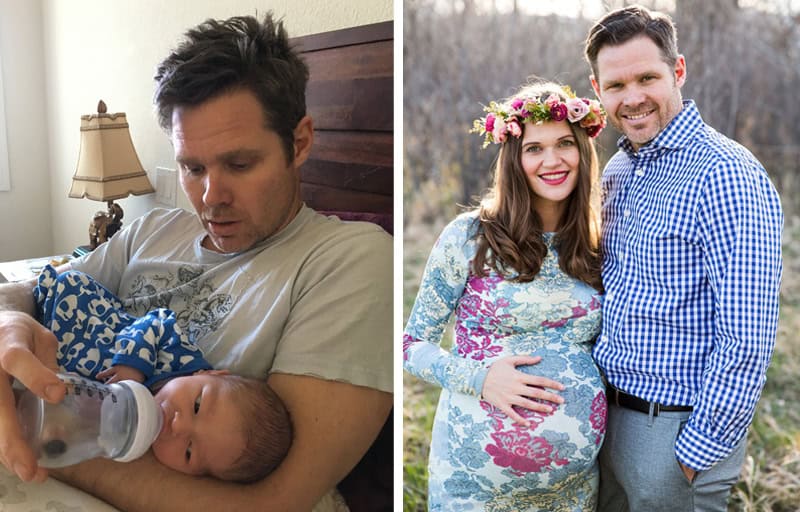
I’m finally sharing his story, as well as what we did to get him into remission. Please share this with anyone who may be affected by ulcerative colitis, Crohn’s, or even IBS. Please note that often, people might get the IBS label when they indeed have inflammatory bowel disease (IBD), such as Crohn’s or colitis. This is an important distinction, as they are different conditions and treatment protocols are different.
Just like IBS and Hashimoto’s, IBD has distinct root causes that can be addressed, and it can be put into remission! My husband is a wonderful example – today, he has no symptoms, and there are only a few things he has to avoid to stay that way.
In this article, we will explore:
- How to know if you have IBD
- The difference between IBS and IBD
- The conventional approach to IBD
- The root cause approach to IBD
- I will also share how you can get my entire IBD protocol 2 months before it’s officially published 🙂
What is IBD?
Inflammatory bowel disease (IBD) is a term used to describe two types of chronic inflammation of the digestive tract, including ulcerative colitis and Crohn’s. Ulcerative colitis is characterized by inflammation and ulcers (sores) along the lining of the colon and rectum, while Crohn’s disease involves inflammation throughout the digestive tract. Both are considered autoimmune conditions.
Ulcerative Colitis symptoms include:
- Chronic diarrhea, sometimes bloody*
- Fatigue, fever, weight loss, anemia*
- Rectal bleeding*
- Frequent, small bowel movements
- Abdominal cramping
- Joint pain
- Skin sores, rashes
- Mood swings
- Constipation (though diarrhea is more common, one third to one half of patients with UC experience the opposite problem)
Crohn’s Disease symptoms include:
- Rectal bleeding *
- Fissures, fistulas, and abscesses*
- Fever*
- Cramping and abdominal pain, especially on the right side
- Fatigue
- Prolonged diarrhea
- Weight loss*
- Feeling of fullness on the right side of the abdomen
- Constipation (though not as common as diarrhea, constipation does occur in some people)
*These are “red flag” symptoms that should be immediately addressed with your healthcare provider.
Proper diagnosis of IBD typically requires consultation with a gastroenterologist or a healthcare specialist experienced in treating these conditions. Imaging procedures (X-ray, CT scan, or MRI) to evaluate intestinal tissues and/or an endoscopy and biopsy, in which a tube-like instrument with a camera is used to visually examine the digestive tract and take tissue samples, are used to confirm a diagnosis.
Additional helpful tests include:
- Anti-Saccharomyces cerevisiae antibodies test: Crohn’s is associated with anti-Saccharomyces cerevisiae antibodies (ASCAs), so testing for ASCAs can be useful in diagnosing Crohn’s. [1] The presence and level of ASCAs can be measured through a blood test or a stool test.
- Fecal calprotectin test: Comprehensive stool analysis tests may show elevated calprotectin, a protein that may indicate inflammation in the gut (the GI-MAP is one such test). Elevated levels could indicate ulcerative colitis or Crohn’s disease, but they could also come from food reactions, celiac disease, cancer, NSAIDs, poor blood supply, or infections. [2]
Is it IBD or IBS?
Both IBS and IBD can cause digestive symptoms such as diarrhea, cramping, abdominal pain, and constipation. Research is ongoing about the connections between IBS and IBD, and whether they possibly exist on a continuum rather than as two distinct conditions.
While the key phrase in inflammatory bowel disease is “inflammation,” it’s important to note that some people with IBS may also have low-grade intestinal inflammation – just not enough to qualify for an IBD diagnosis. As mentioned earlier, up to 10 percent of people with IBS may actually have ulcerative colitis or Crohn’s disease. [3] Inflammatory bowel disease may have some of the same root causes as IBS, but due to the degree of intestinal inflammation, it requires a different treatment approach. People with thyroid disorders are more likely to have IBD, and vice versa, likely due to an autoimmune pathway. [4]
IBD is considered a structural disorder by medical professionals, meaning that there is observable inflammation and tissue damage in the gastrointestinal tract, which can be seen on colonoscopy, imaging, and biopsy.
In contrast, IBS is considered a functional disorder. There’s no “visible” damage to the structure of the intestines (at least not with the current methods used to examine the intestines). The disorder is thought to simply affect the function of the digestive tract.
While a good doctor will usually recognize red flag symptoms of IBD, I have seen too many people receive the IBS label when they actually had IBD. Working with a knowledgeable practitioner and getting the correct testing can help determine the proper diagnosis and treatment.
The Conventional Approach to IBD
Prescription drugs are often used to lower systemic inflammation to allow the intestines to heal. These may include anti-inflammatory drugs, courses of corticosteroids, and/or drugs that suppress the immune system. A newer option is biologics, which are drugs that target the proteins in the body causing inflammation.
My opinion is that the medications can help get IBD into remission, although please be mindful of the long-term side effects. I also believe in treating the root cause of chronic conditions, so that you can truly heal yourself from the inside out. 🙂
The Root Cause Approach to IBD
Various theories have been proposed as to why a person may develop IBD. Anything that activates the immune system and triggers inflammation could be at the root of IBD, including gut dysbiosis, food sensitivities, or an underlying infection or overgrowth.
There also appears to be a genetic component to IBD, so someone with a family history of IBD may be more likely to develop the condition themselves. [5] Environmental triggers like certain medications, smoking, stress, and depression may also be potential causes of IBD.
Steve Wright, a gut health expert and founder of the Healthy Gut Project, believes that IBD can be related to hormone levels or chronic stress, and likely starts developing long before the onset of symptoms. Dr. Jill Carnahan, a functional medicine expert, says other potential root causes of IBD may include mold exposure, SIBO, Lyme disease, and Epstein-Barr Virus (EBV).
I explore the aforementioned and additional mechanisms and research behind these potential root causes of IBD and how to address them in my upcoming book, IBS: Finding and Treating the Root Cause of Irritable Bowel Syndrome. The book officially comes out on March 17th, but I don’t want you to wait to start healing, so I am offering you an exclusive bonus when you preorder – you will receive the full chapter on IBD (plus a few other gifts!). This chapter includes in-depth explorations of the root causes of IBD, research-backed ways to induce remission, and a full IBD protocol. Find more information and submit your proof of purchase to get these preorder bonuses here.
In addition to investigating and addressing the possible root causes of IBD mentioned above, certain diets, supplements, and strategic medications may be used to lower body and gut inflammation, and can help induce and maintain remission:
- Low-Dose Naltrexone (LDN): In my work with autoimmunity, one of the medications that I have found to be incredibly helpful, inexpensive, and with minimal side effects (a pharmacist’s dream!) is naltrexone. When used off-label, in small doses (1.5 to 4.5 mg per day, usually prepared by compounding pharmacists), low-dose naltrexone (LDN) can help with various inflammatory and autoimmune conditions, including IBD. [6] One study found that after 12 weeks of treatment with LDN, 74.5 percent of patients with IBD who were not responding to traditional therapy, experienced clinical improvement in their symptoms, and 25.5 percent had total remission of IBD. [7]
- Dietary strategies: Diet can be an incredibly helpful tool for inducing remission. My dear friend Debbie Steinbock, gut expert and nutritionist, uses a combination of a “soft and mushy” diet (devoid of fibrous, difficult-to-digest foods) and a semi-elemental diet, combined with mucilaginous, gut-healing herbs, to lower inflammation and support the mucosal healing in IBD as a first step. The semi-elemental diet, which is a liquid diet that is free of non-digestible substances such as fiber, complex carbohydrates, and protein structures, has been shown to result in remission for 71 percent of patients with Crohn’s disease. [8] Another diet that may be helpful is the specific carbohydrate diet (SCD), which can get up to one-third of people with IBD into remission in about two months, and that number increases to 42 percent after six months. [9] Additional potential diets studied for IBD include the Mediterranean diet, the IBD anti-inflammatory diet (IBD-AID), the autoimmune Paleo diet, the additive-free diet, the low-FODMAP diet, and personalized elimination diets. [10]
- Supplements: In addition to diet changes, supplements can be part of a supportive approach to IBD. There are a number of supplements that can help reduce inflammation in the body and the gut, and that have been shown to induce and help maintain remission of IBD.
- For example, boswellia (also known as frankincense) has been shown to have potent anti-inflammatory properties that can help improve markers of IBD. Studies have shown it can help induce remission in UC. In one small trial, 350 mg of boswellia, three times a day, had a remission rate of 82 percent, which was higher than sulfasalazine, a commonly prescribed drug for IBD (with lots of side effects), which has a remission rate of 75 percent. [11]
- Psyllium has been found to suppress inflammation and be particularly helpful in easing UC. In one study, 10 grams twice daily was found to significantly reduce symptoms, while in another study, the same dose was as effective as mesalazine in maintaining remission. [12]
- Other supplements that have been shown to help patients with IBD include aloe vera, andrographis paniculata, omega-3s, serum-based immunoglobulin (SBI), butyrate, P5P, vitamin D, mucilaginous herbs, curcumin, E. coli Nissle (EcN), milk thistle, Lactobacillus rhamnosus GG, resveratrol, thiamine, and Seacure. I give much more information on each of these in the IBD chapter of my book, IBS: Finding and Treating the Root Cause of Irritable Bowel Syndrome.
Please note that with IBD, there are a few supplements that should be avoided, as they can actually aggravate the condition. These include high-dose probiotics, berberine, and oil of oregano. Furthermore, many food additives, such as carrageenan and erythritol, may trigger IBD in some individuals.
My Hubby’s Remission Story
Despite the many struggles I have heard from people on trying to get and stay in remission with IBD using conventional medicine (not to mention the side effects), we were thankfully able to get my husband into remission within just weeks. He was prescribed Canasa suppositories, which work directly in the colon, and were very helpful in calming things down. (Of course they were not covered by our insurance, while cheaper alternatives that carried more side effects were the preferred drugs.)
In addition, he started on a partial elemental diet, using elemental shakes (Physician’s Formula brand) for all meal replacement for three days, followed by using them to replace breakfast and lunch for a few weeks.
For his dinners, much to his dismay, he had to avoid crunchy foods (like tacos – his favorite), and focused on soups and stews (the “soft and mushy” diet recommended by our friend Debbie Steinbock).
We used a few targeted supplements, including serum-derived bovine immunoglobulin (SBI), boswellia, high-dose turmeric, mucilaginous herbs (600 mg of N-Acetyl Glucosamine, 300 mg of deglycyrrhizinated licorice root extract 4:1, 300 mg of slippery elm bark, 300 mg marshmallow root), and omega-3.
He also started taking low-dose naltrexone.
Notably, we noticed that taking berberine, a high-dose probiotic, and erythritol, worsened his symptoms, and he had a flare-up a few months after the initial remission.
Thankfully, he’s been in remission over the last seven years, and he has not needed any medications, supplements, and/or special diets. He loves to eat breakfast tacos, lunch tacos, TexMex, and BBQ (he was raised in Texas :-)). We do avoid erythritol like the plague, though. I don’t even keep it in my house. I am grateful to have my energetic husband back, and hopeful that our lived experience will help you or someone you might know.
The full detailed overview of getting IBD in remission is an entire chapter in my new book, IBS: Finding and Treating the Root Cause of Irritable Bowel Syndrome; it’s too long to share here, but I am giving the full chapter away to anyone who preorders my book. By the time the book arrives in two months, hopefully the IBD will be in remission. 🙂
Takeaway
I know getting an IBD diagnosis can feel scary and overwhelming, but there are many effective strategies for inducing remission and staying in remission. With the right combination of individualized nutrition, targeted lifestyle support, and appropriate medical care, it’s possible to calm inflammation, support gut healing, and regain a sense of normalcy.
Today, my husband is back to his healthy self – he can eat out, enjoy a wide variety of foods, and live fully, with only a few personal triggers to avoid (erythritol being one of them).
While every IBD journey is unique, remission is a realistic and attainable goal for many people!
The IBD chapter in my upcoming book, IBS: Finding and Treating the Root Cause of Irritable Bowel Syndrome, contains a full IBD protocol and expands on the research behind the interventions mentioned in this article. The book officially comes out on March 17th, but I don’t want you to wait to start healing, so I am gifting you the full chapter on IBD (plus a few other gifts!). Find more info and submit your proof of purchase to get these preorder bonuses here.
I hope this information helps you on your journey!
I’d love to hear from you! Have you been diagnosed with IBD? What helped you?
P.S. I love interacting with my readers on social media, and I encourage you to join my Facebook, Instagram, TikTok, and Pinterest community pages to stay on top of thyroid health updates and meet others who are following similar health journeys. For recipes, a FREE Thyroid Diet start guide, notifications about upcoming events, and the Nutrient Depletions and Digestion chapter from my first book for free, be sure to sign up for my email list!
References
[1] Walker LJ, Aldhous MC, Drummond HE, Smith BR, Nimmo ER, Arnott ID, Satsangi J. Anti-Saccharomyces cerevisiae antibodies (ASCA) in Crohn’s disease are associated with disease severity but not NOD2/CARD15 mutations. Clin Exp Immunol. 2004 Mar;135(3):490-6. doi: 10.1111/j.1365-2249.2003.02392.x. PMID: 15008984; PMCID: PMC1808965.
[2] Bjarnason I. The Use of Fecal Calprotectin in Inflammatory Bowel Disease. Gastroenterol Hepatol (N Y). 2017 Jan;13(1):53-56. PMID: 28420947; PMCID: PMC5390326.
[3] Ford AC. Overlap Between Irritable Bowel Syndrome and Inflammatory Bowel Disease. Gastroenterol Hepatol (N Y). 2020 Apr;16(4):211-213. PMID: 34035722; PMCID: PMC8132685.
[4] Calcaterra V, Penagini F, Rossi V, Abbattista L, Bianchi A, Turzi M, Cococcioni L, Zuccotti G. Thyroid disorders and inflammatory bowel disease: an association present in adults but also in children and adolescents. Front Endocrinol (Lausanne). 2025 Feb 4;16:1425241. doi: 10.3389/fendo.2025.1425241. PMID: 39968296; PMCID: PMC11832402.
[5] What is inflammatory bowel disease (IBD)? Cleveland Clinic. September 24, 2025. Accessed January 16, 2026. https://my.clevelandclinic.org/health/diseases/15587-inflammatory-bowel-disease.
[6] Raknes G, Simonsen P, Småbrekke L. The Effect of Low-Dose Naltrexone on Medication in Inflammatory Bowel Disease: A Quasi Experimental Before-and-After Prescription Database Study. J Crohn’s Colitis. 2018 May 25;12(6):677-686. doi: 10.1093/ecco-jcc/jjy008. Erratum in: J Crohns Colitis. 2019 Dec 10;13(12):1588-1589. doi: 10.1093/ecco-jcc/jjz101. PMID: 29385430; PMCID: PMC5972567.
[7] Lie MRKL, van der Giessen J, Fuhler GM, de Lima A, Peppelenbosch MP, van der Ent C, van der Woude CJ. Low dose Naltrexone for induction of remission in to result in inflammatory bowel disease patients. J Transl Med. 2018 Mar 9;16(1):55. doi: 10.1186/s12967-018-1427-5. PMID: 29523156; PMCID: PMC5845217.
[8] Sanderson IR, Udeen S, Davies PS, Savage MO, Walker-Smith JA. Remission induced by an elemental diet in small bowel Crohn’s disease. Arch Dis Child. 1987 Feb;62(2):123-7. doi: 10.1136/adc.62.2.123. PMID: 3548602; PMCID: PMC1778272.
[9] Suskind DL, Wahbeh G, Cohen SA, Damman CJ, Klein J, Braly K, Shaffer M, Lee D. Patients Perceive Clinical Benefit with the Specific Carbohydrate Diet for Inflammatory Bowel Disease. Dig Dis Sci. 2016 Nov;61(11):3255-3260. doi: 10.1007/s10620-016-4307-y. Epub 2016 Sep 16. PMID: 27638834.
[10] Brown B. Inflammatory bowel disease: Towards a model for personalised nutritional therapy. Nutritional Medicine Institute. March 31, 2022. Accessed January 20, 2026. https://www.nmi.health/inflammatory-bowel-disease-towards-a-model-for-personalised-nutritional-therapy/
[11] Gupta I, Parihar A, Malhotra P, Singh GB, Lüdtke R, Safayhi H, Ammon HP. Effects of Boswellia serrata gum resin in patients with ulcerative colitis. Eur J Med Res. 1997 Jan;2(1):37-43. PMID: 9049593.
[12] Hallert C, Kaldma M, Petersson BG. Ispaghula husk may relieve gastrointestinal symptoms in ulcerative colitis in remission. Scand J Gastroenterol. 1991 Jul;26(7):747-50. doi: 10.3109/00365529108998594. PMID: 1654592.; Fernández-Bañares F, Hinojosa J, Sánchez-Lombraña JL, Navarro E, Martínez-Salmerón JF, García-Pugés A, González-Huix F, Riera J, González-Lara V, Domínguez-Abascal F, Giné JJ, Moles J, Gomollón F, Gassull MA. Randomized clinaggravateical trial of Plantago ovata seeds (dietary fiber) as compared with mesalamine in maintaining remission in ulcerative colitis. Spanish Group for the Study of Crohn’s Disease and Ulcerative Colitis (GETECCU). Am J Gastroenterol. 1999 Feb;94(2):427-33. doi: 10.1111/j.1572-0241.1999.872_a.x. PMID: 10022641.



i found a study of a Greek GI university professor that thyme tea prepared in a specific way and drunk twice a day on an empty stomach, can work miracles for IBD. Thyme is similar to oregano.
Ellie, thank you so much for sharing, I have added it to my list to research.
Thank you so much for this! I will definitely look in to getting your book!!
Jana – thank you so much! I hope you find it helpful.
Hi Dr. Wentz!
I am an email subscriber and read the email about your husband a couple of weeks ago, not thinking too much of it. Then, last week I thought I was having issues with hemorrhoids but home care wasn’t helping so I went to the doctor yesterday and was diagnosed with proctitis. She’d like me to administer Mesalamine enemas nightly to calm things down. My preference is always alternative health treatment, but having rectal pain, discharge and bleeding is not fun! It sounds like you were okay with your husband taking some conventional treatment initially to calm things down and then you dove into an integrative approach? Side effects of pharmaceuticals concern me :/ I’m excited for your book to come out, and so grateful I read your email about IBD when I did!
Danielle, Thank you so much for sharing your story with me, and I’m really sorry you’re going through this, those symptoms can be incredibly uncomfortable and distressing. I’m glad you trusted your instincts and sought care when home support wasn’t helping. Conventional treatment initially can help calm the acute inflammation and stabilize symptoms. Sometimes short-term support can create a safer and more comfortable foundation while we simultaneously begin looking deeper at root causes and longer-term integrative strategies. It doesn’t have to be an either/or approach, many people do best with a thoughtful combination, especially during flares. It’s completely understandable to have concerns about medication side effects, and I always encourage people to stay informed, ask questions, and work with providers who support a collaborative and personalized plan. I’m so grateful my email reached you at the right time, and I truly appreciate your kind words and support for the upcoming book. I’m sending you so much encouragement as you navigate this, there is hope, and many people are able to find meaningful improvement with the right combination of support. ❤️
Thank you so much Dr. Wentz! Your husband was so blessed to have you help him navigate through his IBD! His story definitely gives me hope. I have read through all of your resources and am feeling a bit overwhelmed and don’t really know where to start. Based on my symptoms and Calprotectin levels (709!) my doctor suspects IBD but it will be about two months until I can get a colonoscopy (I live in Hawaii and healthcare is limited on my outer-island). I’m looking at the two month wait as an opportunity to maybe get things into remission without even getting that official diagnosis. But where do I start? Do I reach out to one of the folks who helped your husband (like Steve Wright–I enjoyed your podcast interview with him)? Or maybe order a GI Map? Do I try to find a naturopath that has experience? I know for the LDN I would need to find a physician besides my Kaiser PCP to get a prescription for that. Just not really sure where to begin and feeling discouraged 🙁
Danielle, I hear you, waiting for a diagnosis and figuring out next steps can feel overwhelming ❤️. It’s great that you’re being proactive, but I do recommend starting with a healthcare professional you trust, ideally someone familiar with IBD or gut health, to help guide testing and safe interventions.
Tracking your symptoms, labs, and gut health markers (like a GI-MAP) can be helpful, and working with a practitioner whether a functional medicine provider, or experienced naturopath can give you a clear plan. Focus on small and be gentle with yourself, you’re not alone.
Thank you very much for your helpful article. You mentioned that Oregano oil should be avoided by people with UC. However there are many peoples who solved there UC with very very high dose (too much in my opinion) oregano oil with a protocol made by Jini Patel. It’s surprising for me but I cant deny it since I know two people in real life that treat a severe crohns disease and a UC disease with this oregano oil protocol. And of course there are many testimonials. Do you have an opinion on this? Thank you again very much for your work.
PS: I tried oregano oil but it didnt work for me (like most of the stuff I tried) and I stopped cause the dosage scared me.
Mathieu, thank you for sharing! Oregano oil is a very potent antimicrobial. In people with UC, especially during active inflammation, it can sometimes be too irritating to an already inflamed intestinal lining. In my clinical experience, aggressive antimicrobial approaches may worsen symptoms for some individuals, even if they help others. Bio-individuality is key. What works well for one person may aggravate another, particularly in complex inflammatory bowel conditions. In my protocols, I typically prioritize: calming inflammation, supporting the gut lining and addressing infections in a more gradual, personalized way. High-dose oregano oil can be quite strong, and I understand why the dosage felt concerning to you.
Anyone considering higher dose herbal antimicrobials should do so under the supervision of a qualified healthcare professional.
I’m glad you listened to your body, that’s always an important part of healing