LISTEN TO THE PODCAST – Also available on Spotify and Apple Podcasts
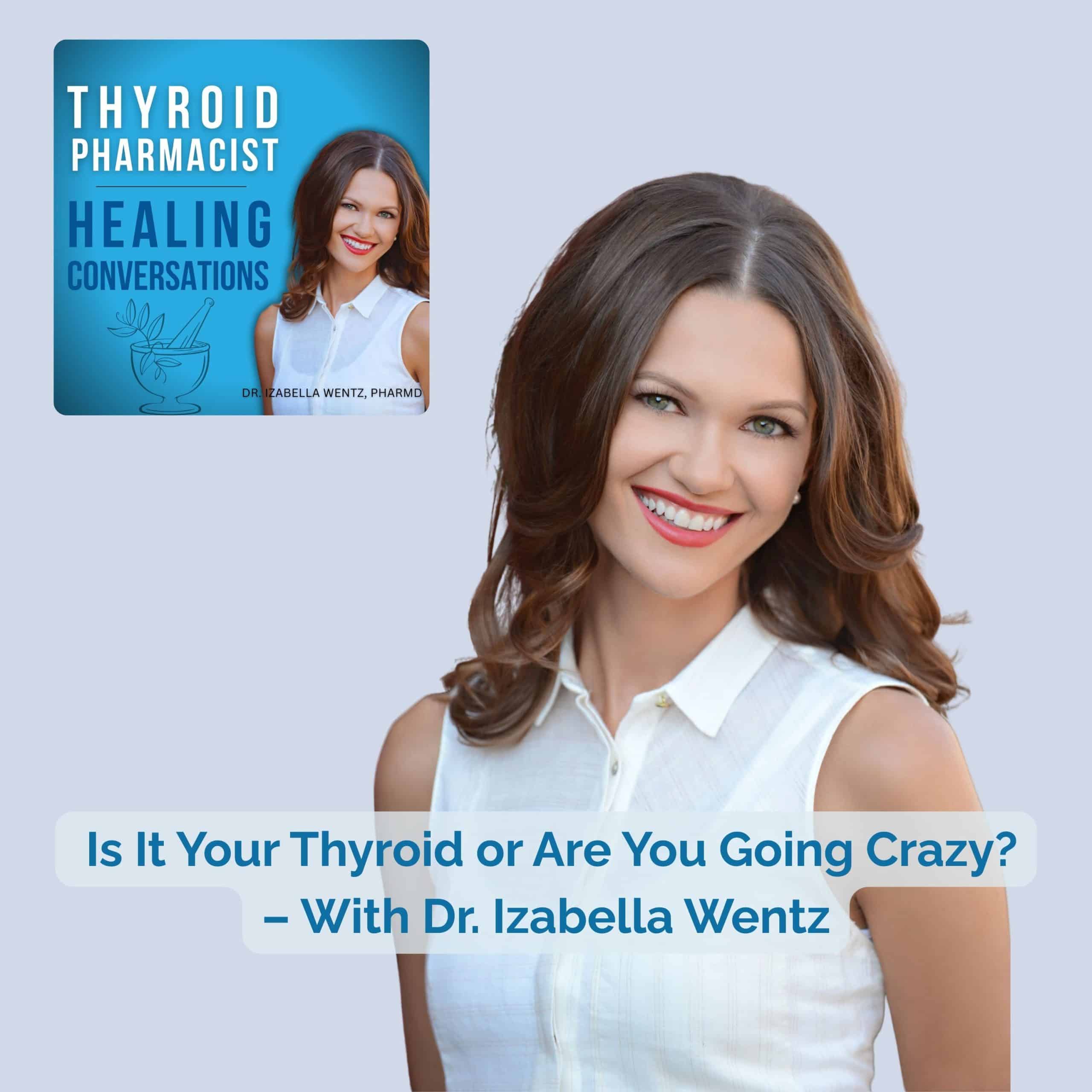
In this solo episode of the Thyroid Pharmacist Healing Conversations podcast, I dive into a topic that is deeply personal to me – and one that is often misunderstood, overlooked, or dismissed in conventional medicine: the connection between thyroid dysfunction and mental health.
As both a practitioner and a thyroid patient myself, I’ve seen firsthand how symptoms like anxiety, depression, panic attacks, obsessive-compulsive tendencies, and even bipolar-like mood swings can stem from thyroid dysfunction, especially Hashimoto’s, even when standard lab tests appear “normal.” In this episode, I reflect on my own journey through adolescence and early adulthood, when my mood changes, fatigue, brain fog, and emotional instability were labeled as depression rather than recognized as potential thyroid dysfunction.
If you or someone you love has ever been told “your labs are normal” while continuing to struggle emotionally, this conversation will help you understand why that happens – and what deeper root causes may be at play.
What you’ll learn in this episode:
- Why mental health symptoms are often misdiagnosed when thyroid labs look “normal.” Many doctors rely solely on TSH testing, which can remain in range for years even while autoimmune thyroid antibodies are actively attacking the thyroid and affecting brain chemistry, mood, and cognition.
- How Hashimoto’s antibodies can directly impact the brain. Elevated thyroid antibodies have been linked to anxiety, depression, OCD, panic attacks, and even more severe conditions like Hashimoto’s encephalopathy, where immune activity interferes with neurological function.
- The thyroid–mood rollercoaster many patients experience. Early-stage Hashimoto’s can cause alternating hyperthyroid and hypothyroid symptoms, leading to cycles of anxiety followed by depression, fatigue, and emotional instability that can feel confusing and frightening.
- Why T3 is critical for mental health – not just T4. Even when taking thyroid medication, poor conversion of T4 to active T3 can leave the brain under-fueled, contributing to persistent depression, brain fog, and lack of motivation.
- The overlooked nutrient deficiencies that can mimic or worsen mental health conditions. Low ferritin (iron storage), vitamin D deficiency, methylation issues (like MTHFR), selenium deficiency, and blood sugar instability can all profoundly affect mood and should be evaluated alongside thyroid health.
I’ve got a new book coming out!
Did you know that mental health and gut health are connected? When the gut is healthy, we’re more likely to experience better mental health. Yet many people with Hashimoto’s and other thyroid conditions struggle with underlying gut issues that are often misdiagnosed or left untreated. My new book, IBS: Finding and Treating the Root Cause of Irritable Bowel Syndrome, is a comprehensive guide that reveals how irritable bowel syndrome is often a catch-all diagnosis that overlooks treatable root causes. It offers a step-by-step approach to help readers understand what’s really driving gut symptoms, and how to create a personalized plan to restore gut health, mental health, and overall wellness. The book is available for preorder now and will be released March 17, 2026!
Supplements I Discussed
- Selenium – Supports thyroid antibody reduction and can significantly improve anxiety symptoms in Hashimoto’s patients. Consider Rootcology Selenium + Myo-inositol.
- Myo-Inositol – Often paired with selenium to help reduce thyroid antibodies and stabilize mood. Consider Rootcology Myo-inositol Powder.
- Zinc – Supports T4 to T3 conversion and overall thyroid hormone metabolism. Consider Pure Encapsulations Zinc 30.
- Vitamin D – Plays a key role in immune balance and mood regulation; optimal levels are often higher than standard lab ranges. Consider Pure Encapsulations Vitamin D3.
- Iron (Ferritin support) – Low ferritin can impair thyroid hormone activation and contribute to depression even without anemia. Consider Pure Encapsulations OptiFerin-C.
- Methylation support (B12, methylated nutrients) – Can be especially helpful for individuals with MTHFR gene variations. Consider Rootcology MTHFR Pathways.
- N-Acetylcysteine (NAC) – May support obsessive-compulsive symptoms and brain health. Consider Rootcology Pure N-Acetyl Cysteine.
Other Tools and Resources
- T4 Medication – People with Hashimoto’s may have a particularly difficult time converting T4 to T3. Consider Rootcology Thyroid Conversion Support.
- Full thyroid panel testing (TSH, free T3, free T4, thyroid antibodies)
- Blood sugar balancing strategies (higher protein and fat intake, fewer refined carbs)
- Bright light therapy or blue light therapy for seasonal depression
- Gluten-free nutrition for individuals with gluten sensitivity or celiac disease
Books and Articles About Thyroid Health & Mental Well-Being
- IBS: Finding and Treating the Root Cause of Irritable Bowel Syndrome by Dr. Izabella Wentz – Gut issues are common in Hashimoto’s and can affect mental health, too. This comprehensive guide offers a step-by-step approach to help you understand what’s really driving gut symptoms, and how to create a personalized plan to restore gut health for overall wellness. The book is available for preorder now and will be released on March 17, 2026!
- Adrenal Transformation Protocol: A 4-Week Plan to Release Stress Symptoms and Go from Surviving to Thriving by Dr. Izabella Wentz – A simple program to help you balance mood and mental health by identifying adrenal triggers, balancing the stress response, and building resilience to future stress.
- Are Your Adrenals Sabotaging Your Health?
- Why Thyroid Antibodies Matter
- How Balancing Iron Levels Can Help Your Thyroid
- Selenium: The Nutrient That Can Reduce Thyroid Antibodies by 40%
- How Myo-inositol Can Improve Hashimoto’s Symptoms
- The Surprising Effect of Zinc Deficiency on Hashimoto’s
- The Benefits of Vitamin D for Your Thyroid
- MTHFR, Hashimoto’s and Nutrients
- NAC for Immune Health, Detoxification and Gut Health
- Root Causes of Depression and Hashimoto’s
- Strategies to Overcome Anxiety with Hashimoto’s
- The OCD and Hashimoto’s Connection
Get the Full Episode Transcript
Let’s Connect!
- Follow me on Instagram:@izabellawentzpharmd
- Get my FREE weekly thyroid & gut health newsletter: Sign up here
- Subscribe & Review: If you loved this episode, please leave a review on Apple Podcasts or Spotify!
Got questions? Drop them in the comments! 🙂
About Our Host
Dr. Izabella Wentz
Dr. Izabella Wentz is a compassionate, innovative, solution-focused integrative pharmacist dedicated to finding the root causes of chronic health conditions. Her passion stems from her own diagnosis of Hashimoto’s thyroiditis in 2009, following a decade of debilitating symptoms.
Dr. Izabella Wentz has written several best-selling books, including the New York Times bestseller Hashimoto’s Thyroiditis: Lifestyle Interventions for Finding and Treating the Root Cause, the protocol-based #1 New York Times bestseller Hashimoto’s Protocol: A 90-Day Plan for Reversing Thyroid Symptoms and Getting Your Life Back, the Wall Street Journal bestseller Hashimoto’s Food Pharmacology: Nutrition Protocols and Healing Recipes to Take Charge of Your Thyroid Health, and Adrenal Transformation Protocol. Her latest book, IBS: Finding and Treating the Root Cause of Irritable Bowel Syndrome, will be released March 17, 2026 and is available for pre-order here.
Thyroid Pharmacist Blog
Instagram
Facebook
TikTok
Rootcology



Leave a Reply